Effective Humidity Control Services to Prevent Mold & Damage
Maintaining proper humidity levels in residential and commercial buildings is essential to prevent mold growth and structural damage. Excess moisture creates an environment where mold spores can thrive, leading to health issues and costly repairs. Effective humidity control services offer a comprehensive approach to managing indoor air quality by addressing the root causes of excess moisture and implementing solutions tailored to specific environments.
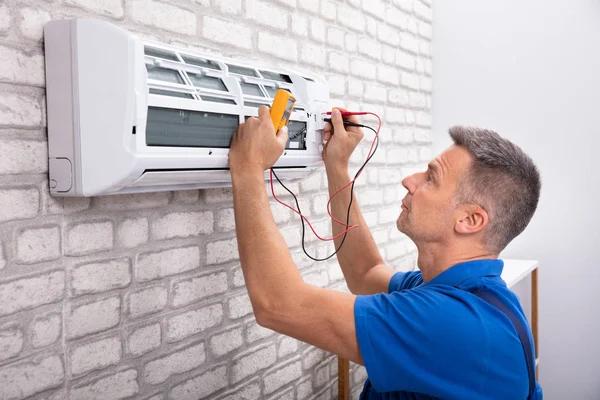
One of the primary methods used by professionals involves assessing the current humidity levels using specialized instruments like hygrometers and moisture meters. These tools help identify problem areas where moisture accumulates, such as basements, crawl spaces, or poorly ventilated rooms. Once identified, experts recommend appropriate measures that may include improving ventilation systems or installing dehumidifiers designed for both small-scale residential use and larger commercial applications.
Proper ventilation plays a crucial role in reducing indoor humidity. By enhancing airflow through exhaust fans, vents, or whole-house ventilation systems, stale air laden with moisture is replaced with fresh outdoor air. read more about it on this page exchange helps maintain balanced humidity levels throughout the property. In some cases, sealing leaks around windows, doors, or plumbing fixtures also prevents humid outdoor air from infiltrating interior spaces.
Dehumidification technology has advanced significantly in recent years. Modern units not only remove excess moisture efficiently but also operate quietly and consume less energy compared to older models. Some systems integrate smart controls that monitor real-time humidity data and adjust operation automatically for optimal performance without manual intervention.
In addition to mechanical solutions, controlling sources of water intrusion remains vital. Humidity control services often include inspecting roofs for leaks, checking gutters for blockages that cause water buildup near foundations, and evaluating landscaping drainage patterns to divert rainwater away from structures effectively.
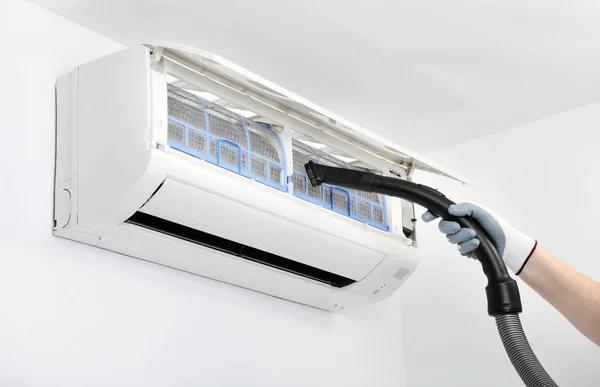
Regular maintenance is another critical component of effective humidity management. Professionals advise scheduling routine inspections of HVAC systems because clogged filters or malfunctioning components can impair airflow and increase indoor dampness over time.
By combining thorough assessment techniques with targeted interventions such as improved ventilation infrastructure, advanced dehumidifiers, leak repairs, and ongoing system upkeep, these services provide reliable protection against mold development and structural deterioration caused by excessive moisture accumulation indoors.
Ultimately ensuring consistent monitoring alongside proactive adjustments safeguards occupant health while preserving building integrity-making effective humidity control an indispensable aspect of property management strategies aimed at long-term durability and comfort across all types of environments.