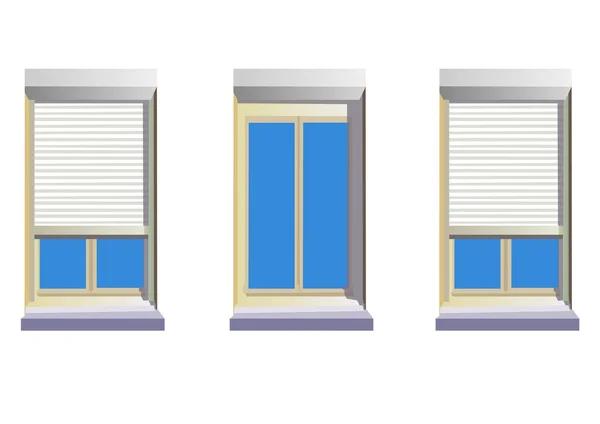
Home windows with different designs that improve ventilation
Home windows play a crucial role in maintaining indoor air quality and comfort by facilitating proper ventilation. Different window designs can significantly impact airflow, allowing fresh air to circulate while expelling stale air. Choosing the right type of window not only enhances natural ventilation but also contributes to energy efficiency and overall home health.
Casement windows are one popular design known for their excellent ventilation capabilities. Hinged at the side, these windows open outward like a door, catching breezes from various angles and directing them inside. Because casement windows can be fully opened, they allow maximum airflow compared to other styles that may only partially open. This makes them particularly effective in rooms where fresh air circulation is essential.
Another effective option is the awning window, which is hinged at the top and opens outward from the bottom. Awning windows provide good ventilation even during light rain since their design creates a shield that prevents water from entering while still permitting airflow. These are often installed higher on walls or above doors, helping hot air escape as it rises naturally within a room.
Double-hung windows offer versatility with two operable sashes that slide vertically past each other within the frame. By opening both upper read more and lower sashes simultaneously, homeowners can create an efficient cross-ventilation system: cooler air enters through the bottom sash as warmer air exits through the top sash. This balanced movement encourages continuous circulation without requiring fans or mechanical systems.
Sliding windows consist of one fixed pane alongside another sliding horizontally to open space for airflow. While sliding designs do not open as widely as casement or double-hung types, they remain practical for areas where exterior space limits outward-opening options such as patios or walkways adjacent to walls.
Louvered or jalousie windows feature multiple narrow slats of glass or wood set in parallel frames that tilt open simultaneously using a crank mechanism. These slats allow adjustable ventilation even during rainstorms because they overlap when closed tightly yet let wind pass through when angled appropriately.
Bay and bow windows combine several panels projecting outward from a wall; some sections may incorporate operable units like casements or double-hungs designed specifically for enhanced airflow around corners of rooms where stagnant pockets tend to form.
In summary, selecting home windows with appropriate designs tailored to specific needs improves indoor ventilation substantially. Casement and awning models excel at channeling outside breezes indoors effectively; double-hung units support vertical exchange between warm and cool layers; louvered versions adjust continuously according to weather conditions; sliding types maximize convenience in limited spaces; bay configurations enhance circulation across wider areas by combining multiple openings strategically placed around living spaces. Understanding these differences helps homeowners make informed decisions about window installations that promote healthier environments through better natural airflow management without relying solely on artificial climate control methods.