Common Problems That Can Lead to Pest Infestations and Property Damage
Pest infestations and property damage are common issues faced by homeowners and businesses alike. Understanding the common problems that lead to these infestations is essential for preventing costly repairs and maintaining a healthy living or working environment. Various factors contribute to the attraction and proliferation of pests, ranging from structural vulnerabilities to environmental conditions and human habits.
One of the primary problems that can lead to pest infestations is poor sanitation. Food scraps, garbage, and clutter create an inviting environment for pests such as rodents, cockroaches, ants, and flies. When food waste is left exposed or garbage bins are not sealed tightly, pests are drawn to these sources of nourishment. Regular cleaning and proper disposal of waste are critical to minimizing the risk of infestation.
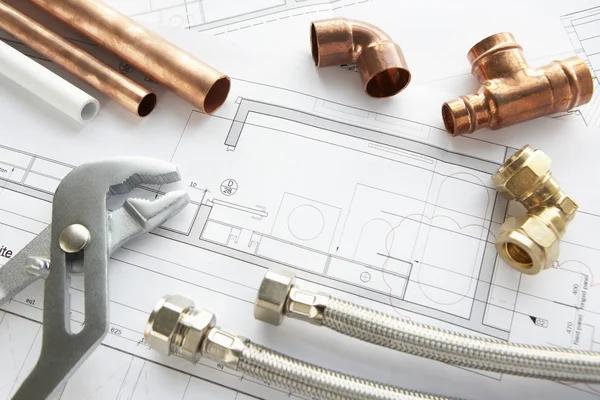
Another significant factor is moisture accumulation within and around a property. Leaky pipes, clogged gutters, poor drainage, and high humidity levels can generate damp areas that attract pests like termites, silverfish, and mold mites. Moisture not only provides a habitat conducive to pests but also weakens building materials, making it easier for insects and rodents to penetrate structures. Addressing plumbing issues and ensuring proper ventilation can dramatically reduce such risks.
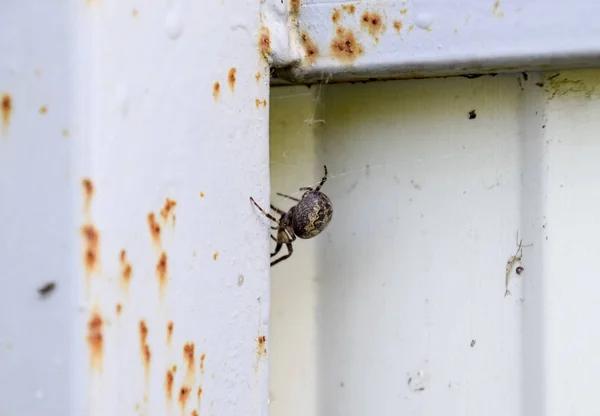
Structural defects also play a crucial role in pest invasions. Cracks in walls, gaps around windows and doors, and damaged roofing allow easy access for pests to enter and establish themselves indoors. Rodents can squeeze through tiny openings, while insects may exploit unsealed vents or broken screens. Regular maintenance and timely repairs of the building’s exterior are essential to block potential entry points and safeguard the property.
Landscaping and outdoor conditions can contribute to pest problems as well. Overgrown vegetation, mulch piled against the building, and standing water near foundations create ideal environments for pests to thrive. These conditions often lead to infestations that spread indoors. Maintaining a clean and well-kept yard, trimming shrubs, and removing excess moisture outside the building can significantly reduce pest attraction.
In some cases, improper storage of firewood, building materials, or debris near the property encourages pests like termites and rodents to settle close to the structure. These materials provide shelter and breeding grounds, increasing the likelihood that pests will move inside. Storing such items away from the building and maintaining cleanliness around storage areas helps minimize this risk.
Finally, lack of regular pest inspections and preventative treatments can allow infestations to develop unnoticed. Early detection is key to controlling pest populations before they cause severe damage. Professional pest control services can identify vulnerabilities and recommend effective solutions tailored to specific needs.
In conclusion, common problems such as poor sanitation, moisture issues, structural defects, improper landscaping, and inadequate maintenance are major contributors to pest infestations and property damage. By addressing these issues proactively, property owners can protect their investments and ensure a safer, healthier environment for occupants.