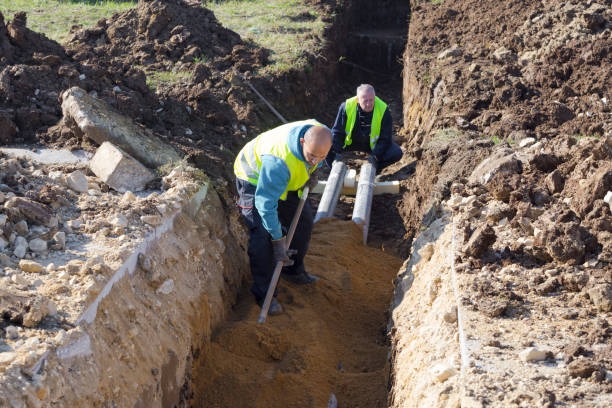
Latest Technology Trends in Construction and Excavation
The construction and excavation industries are undergoing a significant transformation, driven by the rapid advancement of technology. As we move further into the 21st century, these sectors are embracing innovative solutions that promise to enhance efficiency, safety, and sustainability. One of the most prominent trends is the integration of Building Information Modeling (BIM). BIM allows for the creation of digital representations of physical structures, facilitating better planning and collaboration among stakeholders. This technology not only improves accuracy in design but also helps in identifying potential issues before they arise on-site.
Another groundbreaking trend is the use of drones for surveying and monitoring construction sites. Drones provide real-time data and aerial imagery that can be used to assess progress, manage resources, and ensure compliance with safety regulations. Their ability to cover large areas quickly makes them invaluable tools for project managers who need to make informed decisions swiftly.
3D printing is also making waves in construction by enabling faster production of building components with reduced waste. This technology allows for customization at a scale previously unimaginable while significantly lowering material costs. In addition, 3D printing supports sustainable practices by using eco-friendly materials and reducing carbon footprints associated with traditional manufacturing methods.
Robotics is another area get more comprehensive information where technological advancements are reshaping construction processes. Autonomous machines now handle tasks such as bricklaying, welding, and even demolition with precision and speed unattainable by human workers alone. These robots not only increase productivity but also mitigate risks associated with dangerous tasks on-site.
The Internet of Things (IoT) is playing a crucial role in creating smarter buildings through interconnected devices that monitor various parameters like temperature, humidity, energy consumption, etc., ensuring optimal performance throughout their lifecycle. IoT-enabled sensors help predict maintenance needs before failures occur—saving time and reducing operational costs significantly over time.
