Benefits of Understanding Why Does Ductwork Condition Matter as Much as Your Heating and Cooling Unit
Understanding the importance of ductwork condition is as crucial as maintaining your heating and cooling unit. Most homeowners focus on the efficiency of their HVAC systems, often overlooking the network of ducts that distribute air throughout their homes. However, the condition of your ductwork can significantly impact energy efficiency, indoor air quality, and overall comfort.
Firstly, consider energy efficiency. Well-maintained ductwork ensures that heated or cooled air reaches its destination without unnecessary loss. Leaky ducts can lead to significant energy wastage; in fact, studies suggest that up to 30% of conditioned air can be lost through poorly sealed or insulated ducts. This inefficiency forces your HVAC system to work harder than necessary, leading to increased energy consumption and higher utility bills. By ensuring your ductwork is in good condition—properly sealed and insulated—you optimize your system’s performance and save money in read the complete guide long run.
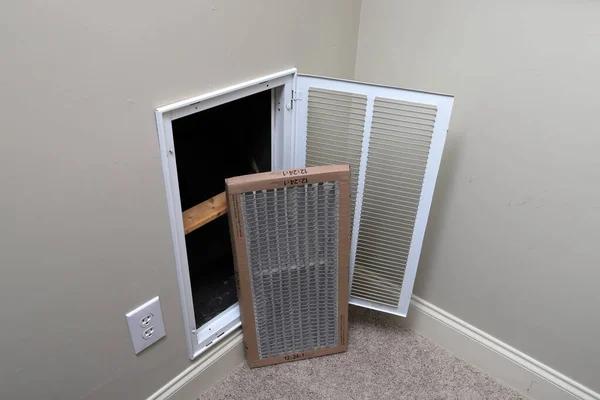
Indoor air quality is another critical aspect influenced by ductwork condition. Over time, dust, allergens, mold spores, and other pollutants can accumulate in your ducts if they are not regularly cleaned or maintained. When these contaminants circulate through your home’s ventilation system, they compromise indoor air quality and may exacerbate respiratory issues or allergies for occupants. Regular inspection and cleaning of ductwork help maintain a healthier living environment by reducing potential irritants.
Moreover, consistent airflow throughout a home contributes significantly to comfort levels. Damaged or obstructed ducts hinder proper airflow distribution; some rooms may become too hot while others remain cold despite adjustments made at the thermostat level. Ensuring that all parts of your house receive adequate airflow results in more consistent temperatures across different areas—a crucial factor during extreme weather conditions when maintaining comfort becomes paramount.
Additionally, understanding how vital well-functioning ductwork is extends beyond immediate benefits like cost savings or improved health—it also prolongs the lifespan of expensive HVAC equipment itself! When an HVAC system doesn’t have to compensate for leaking ducts by running longer cycles unnecessarily due primarily because it isn’t battling against inefficient pathways—the wear-and-tear rate decreases substantially which means fewer repairs needed over time thus extending its operational life expectancy further still!
In conclusion: recognizing why keeping tabs on both heating/cooling units alongside their accompanying networks proves beneficial cannot be overstated enough given all aforementioned reasons combined together showcase just how interconnected these components truly are within any household setting today where maximizing efficiencies remains key towards achieving optimal outcomes consistently year-round no matter what season happens next!