Cement Grouting Process and Uses in Construction Explained
Cement grouting is a widely used technique in the construction industry that involves injecting a fluid mixture of cement, water, and sometimes additives into voids, cracks, or porous materials to improve strength, stability, and impermeability. This process plays a crucial role in enhancing the structural integrity of various construction projects by filling gaps and binding loose materials together.
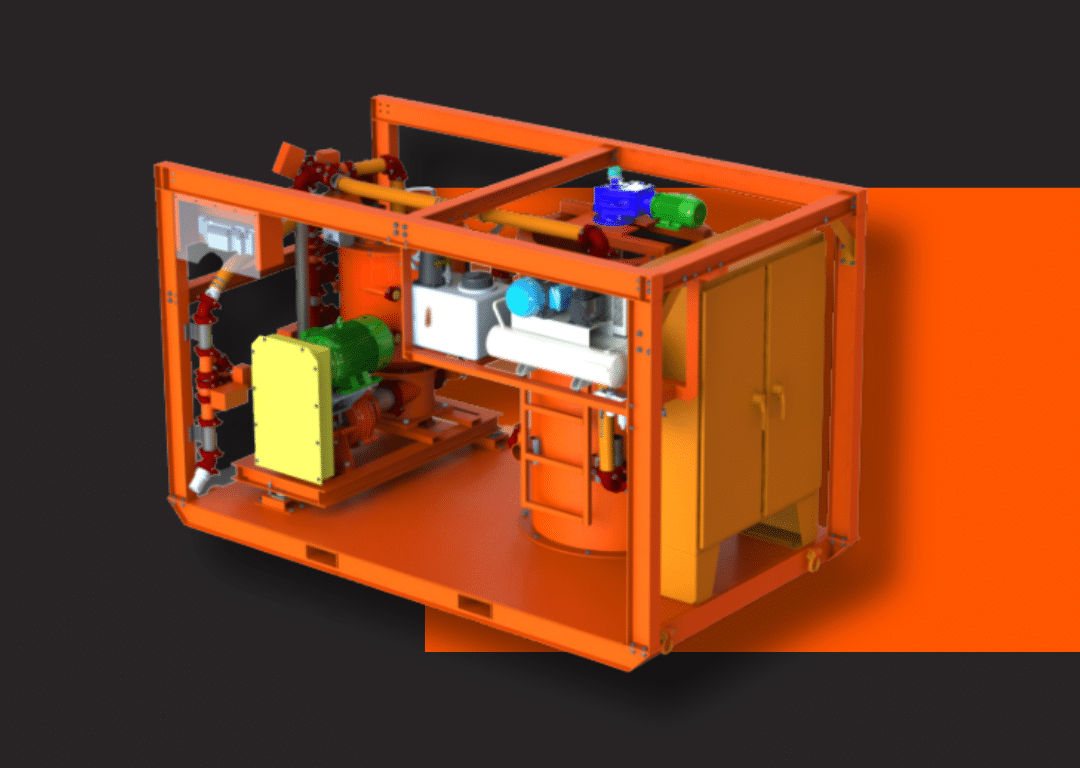
The cement grouting process begins with preparing the grout mixture. The composition typically includes Portland cement combined with water to form a slurry with suitable flow properties. Depending on specific project requirements, additives such as plasticizers or retarders may be included to modify setting time or improve workability. Once prepared, this grout is pumped under pressure into designated areas using specialized equipment like grout pumps and injection hoses.
One common application of cement grouting is soil stabilization. In geotechnical engineering, weak or loose soils can compromise foundation stability. By injecting grout into these soils, voids are filled and particles bound together to increase bearing capacity and reduce settlement risks. This method is especially useful for underpinning existing foundations or preparing ground for new structures where soil conditions are less than ideal.
Another significant use lies in sealing cracks within concrete structures such as tunnels, dams, bridges, and retaining walls. Over time concrete can develop fissures due to thermal expansion-contraction cycles or mechanical stresses leading to potential water ingress which may cause deterioration through corrosion of reinforcement bars or freeze-thaw damage. Cement grout effectively fills these cracks creating an impermeable barrier that restores strength while preventing further degradation.
In addition to crack repair and soil stabilization, cement grouting serves as an essential technique for anchoring bolts and reinforcing elements in rock masses during tunneling operations or slope stabilization projects. Grout injected around anchors ensures tight contact between rock surfaces enhancing load transfer capabilities thereby improving overall safety.
The advantages of using cement grouting include its cost-effectiveness compared to other strengthening methods along with versatility across different substrates ranging from soils to hardened concrete surfaces. Moreover, it provides long-lasting results when properly applied by experienced professionals who ensure correct mix proportions along with adequate injection pressures tailored according to site conditions.
However careful consideration must be given during the design phase since improper grout consistency or excessive pressure could lead either insufficient penetration leaving voids unfilled or fracturing surrounding material causing unintended damage respectively.
In conclusion ,cement grouting remains an indispensable tool within modern construction practices offering solutions for enhancing foundational support ,repairing damaged structures,and ensuring durability against environmental factors . Its ability to adapt across diverse scenarios makes it invaluable from initial groundwork stages through maintenance phases extending lifespan while maintaining safety standards integral for sustainable infrastructure development worldwide .