The Connection Between Seasonal Weather and HVAC Efficiency
The relationship between seasonal weather changes and HVAC (Heating, Ventilation, and Air Conditioning) efficiency is a crucial consideration for both homeowners and businesses. As the seasons change, so do the demands placed on HVAC systems, significantly impacting their performance and energy consumption. Understanding this connection can lead to more efficient system operation, reduced energy costs, and enhanced indoor comfort.
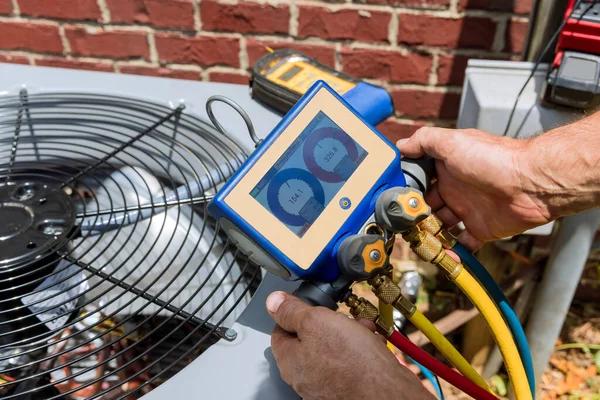
During the warmer months of spring and summer, HVAC systems are primarily tasked with cooling indoor environments. The increased outdoor temperatures require air conditioning units to work harder to maintain comfortable indoor climates. This heightened demand can strain older or improperly maintained systems, leading to inefficiencies such as increased energy usage and higher utility bills. Regular maintenance during these months is essential; tasks like cleaning or replacing air filters ensure optimal airflow while checking refrigerant levels helps maintain cooling efficiency.
Conversely, in fall and winter, heating becomes read more on the official website primary function of HVAC systems as temperatures drop. Cold weather poses its own challenges; furnaces or heat pumps must operate efficiently to provide adequate warmth without excessive energy use. Ensuring that heating components are well-maintained before the onset of cold weather is vital for efficient operation throughout these seasons. This includes inspecting burners for cleanliness in gas furnaces or ensuring that heat pump coils are free from obstructions.
Seasonal transitions also present opportunities for optimizing HVAC efficiency through strategic adjustments based on current weather conditions. For example, utilizing programmable thermostats allows users to set different temperature schedules according to daily routines while taking advantage of milder outdoor temperatures during transition periods like spring or fall when neither extreme heating nor cooling may be necessary all day long.
Moreover, external factors influenced by seasonal changes affect how well an HVAC system performs indoors: humidity levels fluctuate with varying temperatures throughout each season which directly impacts comfort levels inside buildings – high humidity makes warm air feel hotter whereas low humidity intensifies cool sensations making spaces seem colder than they actually are thus requiring additional conditioning efforts from your unit(s). Installing dehumidifiers alongside existing equipment could help manage moisture better thereby reducing stress placed upon them over time resulting ultimately towards improved overall operational efficiencies year-round regardless what nature throws our way next!
In conclusion then understanding intricate connections between changing weathers across four distinct annual cycles alongside proactive measures taken accordingly ensures not only maximum possible returns invested initially into purchasing installing maintaining these complex yet indispensable modern conveniences but equally importantly contributes significantly towards achieving sustainable living goals long-term benefiting us all collectively now future generations alike!