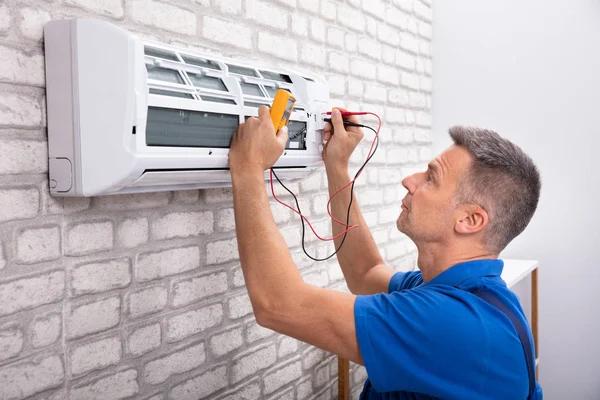
Ways HVAC Contractors Manage Service Requests Efficiently
HVAC contractors face numerous challenges when managing service requests, including responding promptly to emergencies, scheduling appointments efficiently, and maintaining clear communication with clients. To handle these demands effectively, many professionals adopt a combination of technological tools and organizational strategies that streamline their workflow and improve customer satisfaction. One common approach is the use of specialized software designed for service management. These platforms allow contractors to receive requests digitally, assign tasks to technicians based on availability and skill set, and track job progress in real time. By automating parts of the process, companies reduce manual errors and ensure that no request goes unnoticed.
Another important method involves prioritizing service calls according to urgency and complexity. Contractors often categorize requests into routine maintenance, urgent repairs, or installations requiring extensive preparation. This classification helps dispatchers allocate resources more effectively while keeping customers informed about expected wait times. Efficient routing also plays a crucial role in managing multiple appointments within a limited geographical area. Using GPS-enabled systems enables technicians to follow optimized travel routes that minimize downtime between jobs, saving fuel costs and increasing the number of daily visits.
Clear communication remains vital throughout every stage of the service request lifecycle. Many HVAC businesses establish dedicated customer dive deeper support teams who handle inquiries promptly via phone or email while updating clients on technician arrival times or any changes in schedule. Some companies even implement automated messaging systems that send reminders before appointments or notify customers once work is completed. Maintaining transparency builds trust with clients and reduces cancellations or missed visits.
In addition to technology and communication practices, ongoing training ensures field staff remain knowledgeable about new equipment models or repair techniques so they can address issues quickly without needing multiple visits for the same problem. Contractors often invest in continuous education programs as part of their quality control efforts.
Finally, collecting feedback after each service call helps identify areas for improvement while reinforcing positive experiences through reviews or testimonials shared online. Monitoring performance metrics such as response time averages or first-visit resolution rates allows managers to adjust processes proactively rather than reacting only when problems arise.
By combining digital tools with strategic planning focused on prioritization, routing efficiency, effective communication, employee expertise development, and customer feedback analysis HVAC contractors can manage service requests more efficiently than ever before-resulting in enhanced operational productivity alongside higher client satisfaction levels across diverse markets they serve today.