The Ultimate Thai Swimming Rama Recipe
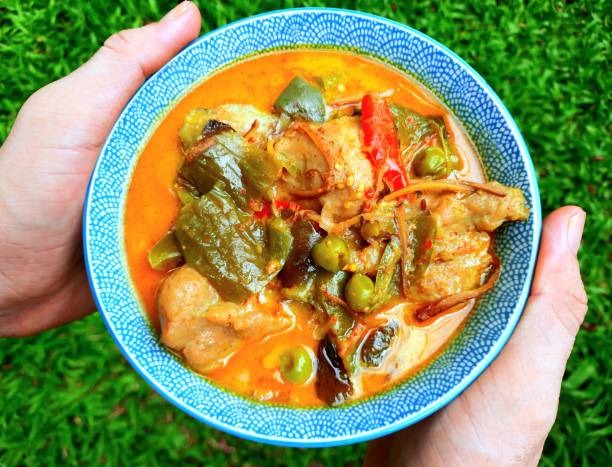
The Ultimate Thai Swimming Rama recipe is a delightful and refreshing dessert that perfectly captures the essence of traditional Thai flavors combined with a modern twist. This dish, known for its vibrant colors and harmonious blend of textures, is often enjoyed during hot weather as a cooling treat. The name “Swimming Rama” evokes an image of colorful ingredients floating in sweet coconut milk, creating an inviting and visually appealing presentation.
At the heart of this dessert lies the use of fresh, natural ingredients that are staples in Thai cuisine. The base typically consists of creamy coconut milk infused with pandan leaves to impart a subtle aroma and gentle green hue. Coconut milk serves as the perfect canvas for the other components, lending richness without overpowering the delicate balance of sweetness.
One essential element in best swimming rama recipe is the assortment of jelly-like noodles or strands made from mung bean starch or agar-agar. These translucent noodles are often dyed with natural food coloring derived from butterfly pea flowers (which turn blue) or pandan extract (green), adding both texture and color contrast to the dish. Their chewy consistency complements the smoothness of the coconut milk beautifully.
Another key ingredient includes small pieces of tropical fruits such as jackfruit, mango, or lychee which add bursts of sweetness and freshness to every bite. Sometimes young coconut meat strips are added for extra chewiness and flavor depth. Additionally, some variations incorporate small tapioca pearls or sago balls that provide a fun pop when eaten.
To prepare this ultimate recipe at home requires careful attention to detail but remains straightforward enough for most cooks willing to explore authentic Thai desserts. First, pandan-infused coconut milk is gently heated with sugar until just warm; it should be sweet but not cloying so that all flavors shine through harmoniously.
Meanwhile, colored jelly noodles are cooked separately until tender then rinsed under cold water to maintain their texture before being combined into serving bowls along with fruit pieces and any additional toppings like crushed ice if desired-this enhances its refreshing quality on warmer days.
When assembled together just before serving ensures that each component retains its unique texture while blending seamlessly into one cohesive experience reminiscent of swimming noodles floating gracefully within rich coconut broth-hence earning its evocative name “Swimming Rama.
This dessert not only satisfies your palate but also offers visual pleasure through its vibrant appearance making it ideal for festive occasions or casual family gatherings alike where sharing something special elevates moments spent together.
Ultimately mastering this recipe allows you to bring a piece of Thailand’s culinary heritage into your kitchen-a celebration involving simple yet exquisite ingredients working in unison delivering delightfully cool relief paired with exotic flavors sure to impress anyone lucky enough to taste it.